
Inside Hemp Oil's Omega Balance
Hemp seed oil is unusual among culinary oils for its fatty acid profile: it supplies both linoleic acid (omega-6) and alpha-linolenic acid (omega-3), typically in a ratio of about three to one, along with smaller amounts of gamma-linolenic acid. These articles explain what that balance means in an everyday diet, how hemp oil compares with flax, olive and canola, and why it is not a substitute for the EPA and DHA found in fish. Useful if you read nutrition labels closely.
4 articles
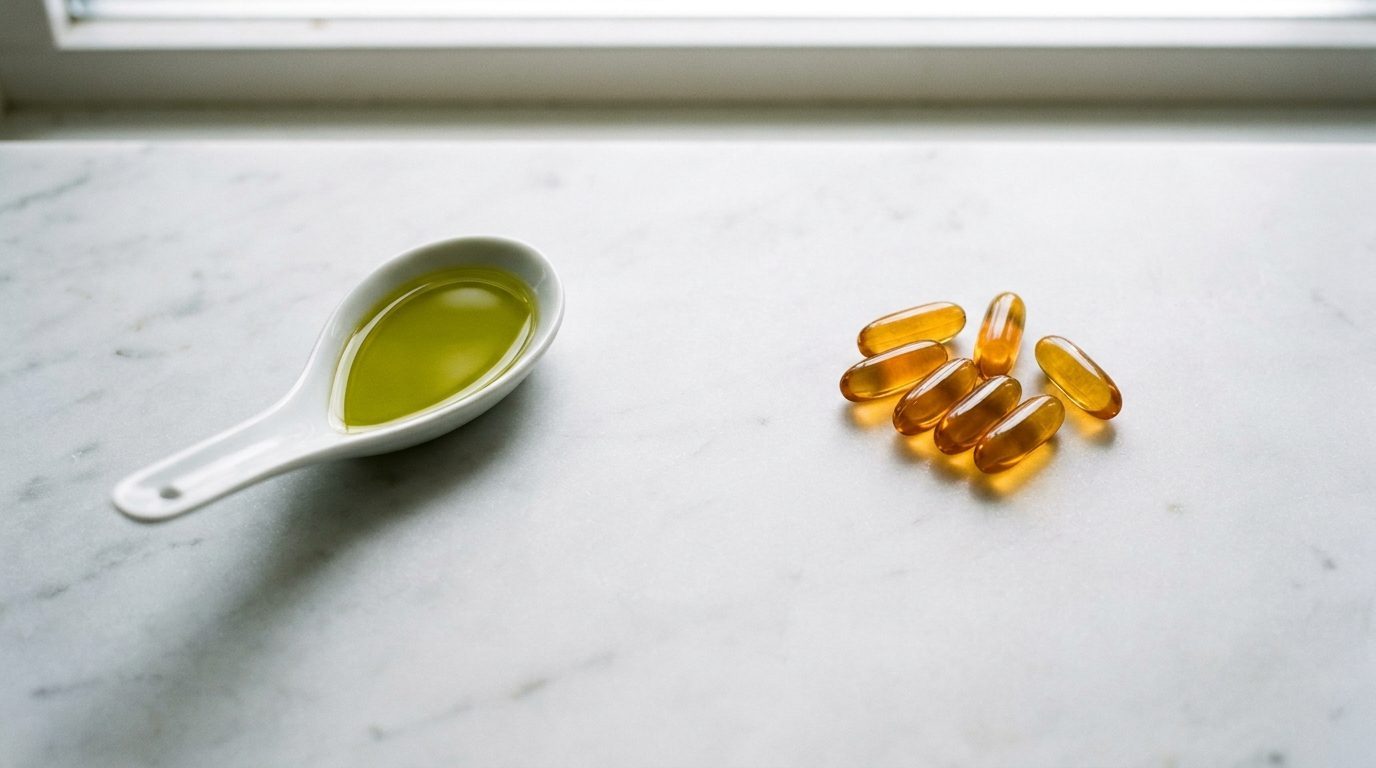
Can Hemp Seed Oil Replace Fish Oil? The Conversion Question
Hemp seed oil supplies plant omega-3 as ALA; fish oil supplies EPA and DHA directly. Your body can bridge the gap, but only partly. What that means if you are trying to drop the fish capsules.
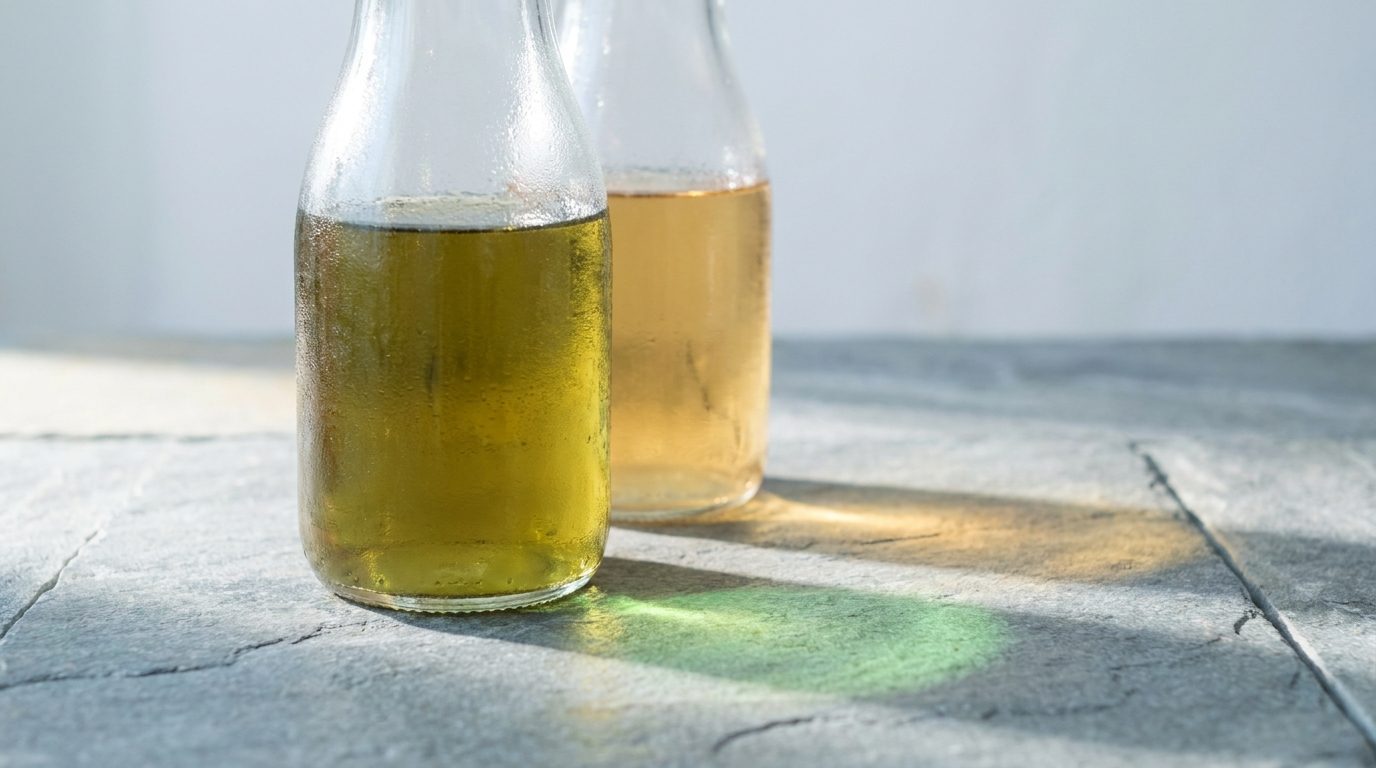
Hemp Seed Oil vs Flaxseed Oil: Which Belongs in Your Fridge?
Both are cold-pressed, fridge-bound seed oils sold as omega-3 sources, but their fat profiles are not close. A practical comparison of omega-3 content, omega-6 load, GLA, flavour and shelf life.
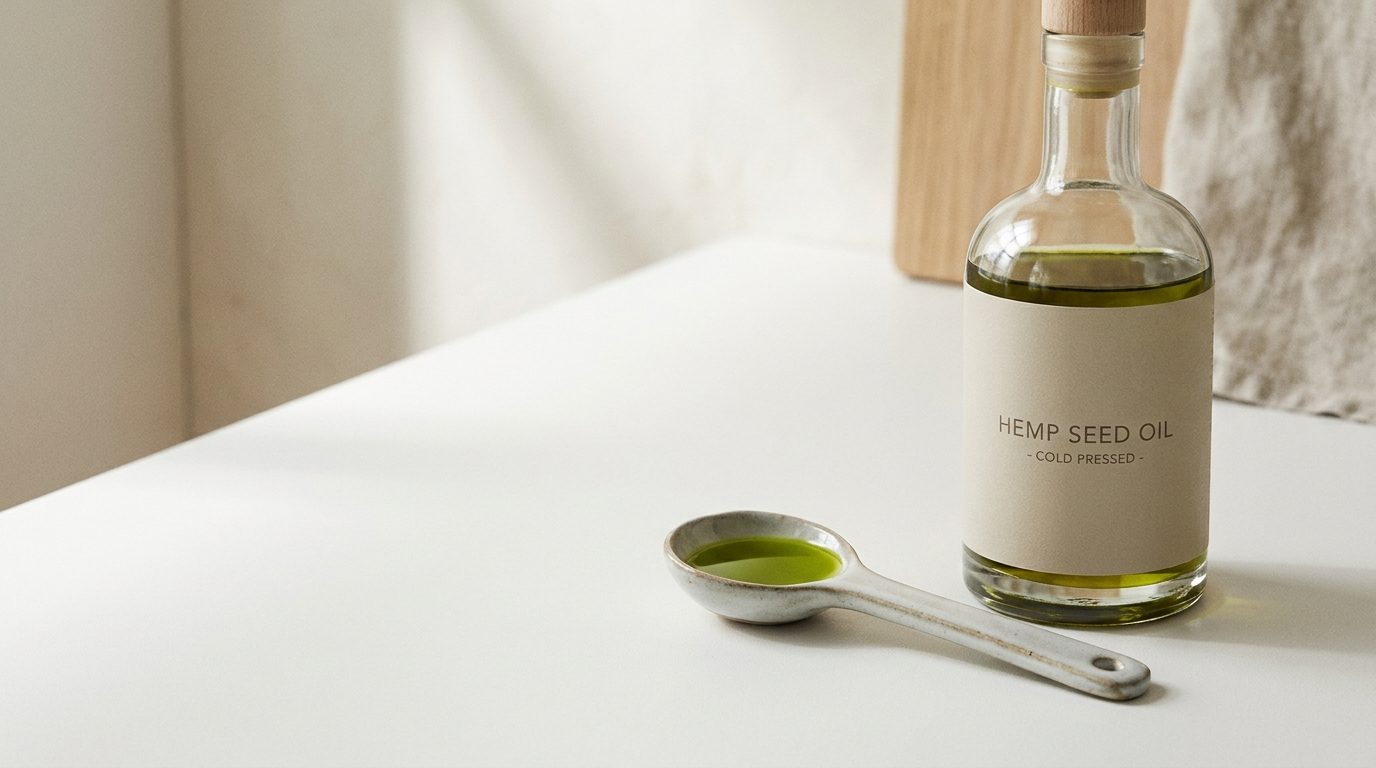
How Much Hemp Seed Oil Should You Take a Day? A Dosage Guide by Body Weight and Goal
A practical breakdown of how much hemp seed oil to take per day, converting the vague "one to two tablespoons" advice into concrete grams, calories, and ALA omega-3 figures tied to your body weight and your specific goal.

Hemp Seed Oil Nutrition and Omega Balance
Per tablespoon: 126 calories, 11 grams of polyunsaturated fat, a 3:1 omega-6 to omega-3 ratio, 420 mg GLA. How hemp seed oil compares to other cooking oils on the balance that matters.